
-
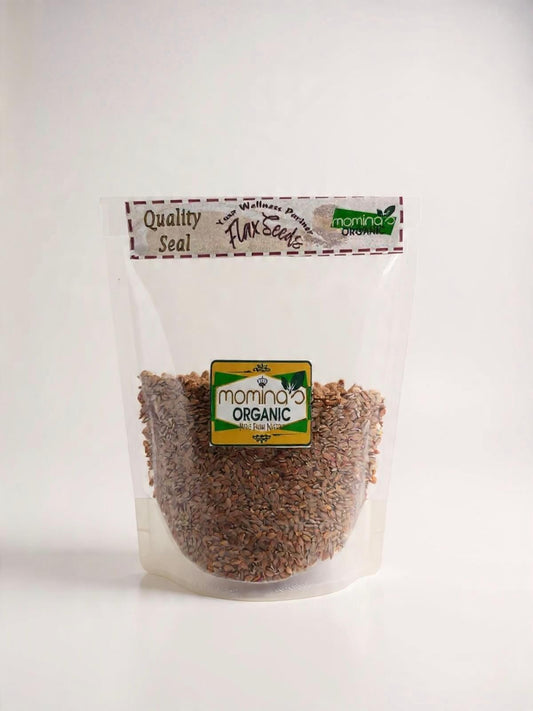
Organic Flaxseeds (Alsi) — Raw & Nutrient-Rich Superfood
Regular price Rs.549.00 PKRRegular price -
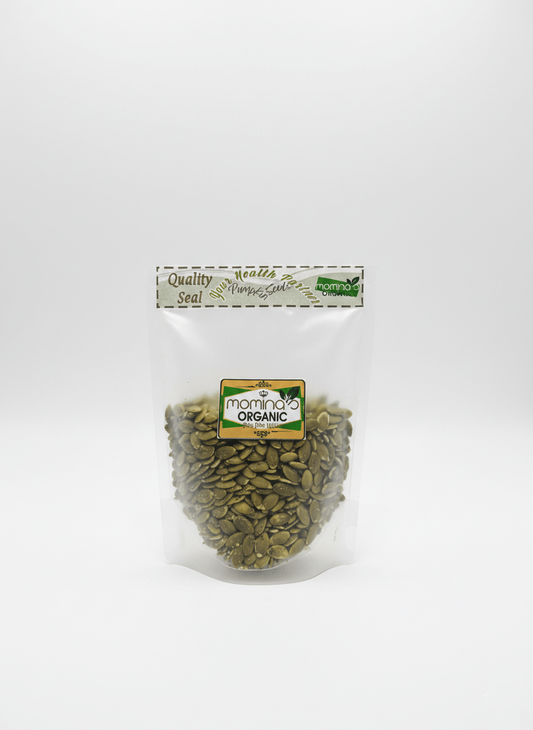
Organic Pumpkin Seeds (Kaddu ke Beej) — Raw & Mineral-Rich Superfood
Regular price Rs.899.00 PKRRegular price -
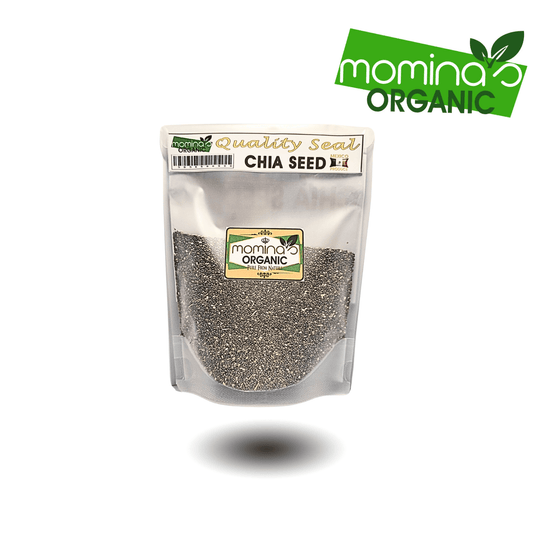
Organic Chia Seeds (Tukhm-e-Sharbati) — Raw & Unprocessed Superfood
Regular price Rs.749.00 PKRRegular price



Organic Seeds FAQs — Chia, Flax & Pumpkin Seeds in Pakistan
Momina's Organic currently offers three premium organic seeds — Chia Seeds (Tukhm-e-Sharbati), Flaxseeds (Alsi), and Pumpkin Seeds (Kaddu ke Beej). All three are raw, unroasted, and free from pesticides, artificial coatings, and preservatives. Each variety has a distinct nutritional profile and specific health benefits suited for different needs.
Bottom line: Three raw organic seeds — Chia, Flax, and Pumpkin — each with unique and well-documented health benefits.
Chia seeds are known as Tukhm-e-Sharbati (تخم شربتی) in Pakistan and have been used in traditional sharbat drinks for centuries. To eat them, soak one to two tablespoons in a glass of water or milk for 15–30 minutes until they form a gel-like coating. This soaked form is the most effective way to consume them — it aids digestion, promotes fullness, and maximises hydration. They can also be added dry to smoothies, yoghurt, or oatmeal.
Bottom line: Soak chia seeds before eating for maximum benefit — they have been a part of Pakistani food tradition long before they became a global superfood trend.
Flaxseeds are known as Alsi (السی) in Pakistan and have been used in traditional Pakistani and South Asian medicine for generations. Research published in nutritional science journals suggests that flaxseeds are one of the richest plant sources of alpha-linolenic acid (ALA), a type of omega-3 fatty acid that supports heart and brain health. Studies also suggest that the lignans in flaxseeds may support hormonal balance in women, particularly during perimenopause. According to USDA FoodData Central, two tablespoons of flaxseeds provide approximately 3.5g of omega-3 fatty acids and 5.6g of dietary fibre.
Bottom line: Alsi is one of Pakistan's oldest superfoods — rich in omega-3, fibre, and natural compounds that support heart and hormonal health.
Pumpkin seeds are known as Kaddu ke Beej (کدو کے بیج) in Pakistan. They are one of the richest natural plant sources of zinc — a mineral essential for immunity, wound healing, and testosterone production. According to USDA FoodData Central, a 28g serving of pumpkin seeds provides approximately 2.2mg of zinc, 8.5g of protein, and 1.7g of omega-3 fatty acids. Research also suggests that pumpkin seed extract may support healthy sleep due to its natural tryptophan content.
Bottom line: Kaddu ke Beej are particularly valuable for immunity, men's health, and zinc intake — one of the most mineral-dense seeds available.
Research suggests that seeds can support weight management as part of a balanced diet. Their high fibre content promotes a feeling of fullness, which may reduce overall calorie intake. Chia seeds in particular absorb up to 10 times their weight in water, forming a gel that slows digestion and helps control appetite. A study published in the Journal of Nutrition found that higher dietary fibre intake is associated with lower body weight over time. However, seeds are calorie-dense and should be consumed in measured portions — typically one to two tablespoons per day.
Bottom line: Yes — seeds support weight management through their fibre and protein content, but portion control is important as they are calorie-dense.
Nutritional guidelines generally recommend one to two tablespoons of seeds per day for healthy adults. Exceeding this regularly may cause digestive discomfort due to their high fibre content. Flaxseeds are most effective when ground or soaked rather than eaten whole, as whole flaxseeds may pass through the digestive system undigested. Chia seeds should be soaked before consumption. Pumpkin seeds can be eaten raw, soaked, or lightly toasted without significant nutritional loss.
Bottom line: One to two tablespoons daily per seed variety — soak or grind flax for maximum absorption, soak chia before eating.
Research and pediatric nutritional guidance suggest that seeds can be safely introduced to children above two years old in ground or soaked form. Whole seeds — particularly small ones like chia and flax — should not be given to toddlers as they pose a choking hazard. Ground flaxseed mixed into porridge or milk is a practical way to introduce seeds to young children. Pumpkin seeds can be given to older children as a zinc-rich snack. The World Health Organization recommends introducing a variety of nutrient-dense whole foods progressively as children develop.
Bottom line: Safe for children above two years — always grind or soak for young children, never give whole seeds to toddlers.
Some studies suggest that flaxseeds may support hormonal balance in women due to their high lignan content — plant compounds that interact with oestrogen receptors in the body. A study published in the Journal of Clinical Endocrinology found that flaxseed consumption was associated with positive hormonal outcomes in women during perimenopause. Pumpkin seeds are similarly studied for their potential role in supporting testosterone levels in men due to their high zinc content. These are promising findings but seeds should be viewed as a dietary support, not a medical treatment.
Bottom line: Flax seeds for women's hormonal health, pumpkin seeds for men's health — both backed by preliminary research.
Bottom line: Raw and unprocessed means full nutritional value — no roasting oils, no coatings, no preservatives.
Seeds should be stored in an airtight container in a cool, dry place away from direct sunlight. Because seeds are rich in natural oils — particularly omega-3 fatty acids — they are susceptible to oxidation when exposed to heat, light, or moisture. Flaxseeds and chia seeds benefit from refrigeration after opening to extend freshness and prevent rancidity. Properly stored seeds generally remain fresh for six to twelve months.
Bottom line: Airtight container, cool and dry place — refrigerate flax and chia after opening for maximum freshness.
Look for seeds labelled raw, unroasted, pesticide-free, and without artificial coatings or preservatives. Momina's Organic offers Chia Seeds, Flaxseeds, and Pumpkin Seeds — all raw, unprocessed, and sourced from trusted Pakistani farms. Available online with delivery across Pakistan.
Bottom line: Buy raw, uncoated, and additive-free seeds from transparent sources — and always check the ingredient list.
100% raw and unroasted. No pesticides. No artificial coatings. No preservatives. No added oils or salt. Sourced from Pakistani organic farms. Packaged to preserve natural freshness and oil content. What you see is exactly what you get — pure seeds, nothing else.
Yes — research suggests chia seeds can be an effective natural remedy for constipation. A randomized prospective trial compared chia seeds with psyllium and polyethylene glycol (PEG) in adults with chronic constipation, finding that chia seeds significantly increased the number of complete spontaneous bowel movements per week. The study concluded that chia seeds are non-inferior to these established treatments and represent a promising, well-tolerated natural option for constipation management. The key is consuming them soaked — not dry. Always drink plenty of water alongside chia seeds as their high fibre content requires adequate hydration to work effectively. Never eat chia seeds dry as they can expand in the throat and cause a blockage. mominasorganic
Bottom line: Yes — soaked chia seeds are a research-backed natural remedy for constipation. Always eat them soaked with plenty of water.
Research suggests yes. Flaxseeds are one of the richest plant sources of alpha-linolenic acid (ALA) and soluble fibre — both of which are associated with reduced LDL cholesterol levels. The lignans in flaxseeds also have antioxidant properties that may support cardiovascular health. For best results, flaxseeds should be ground or soaked before consumption as whole seeds may pass through the digestive system without being absorbed. According to nutritional research, two tablespoons of ground flaxseed daily is the commonly studied dose for cholesterol support. Always consult a doctor if you are on cholesterol medication before making significant dietary changes.
Bottom line: Research supports ground flaxseeds as a natural dietary support for cholesterol management — consistency and grinding are key.
Yes — pumpkin seeds are particularly well studied for men's health. They are one of the richest natural plant sources of zinc, a mineral essential for testosterone production, sperm quality, and prostate health. According to USDA FoodData Central, a 28g serving of pumpkin seeds provides approximately 2.2mg of zinc alongside 8.5g of protein and healthy fats. Research also suggests that pumpkin seed oil may support prostate health and urinary function in men. Additionally their high magnesium content supports muscle function, energy production, and overall vitality — making them one of the most well-rounded seeds specifically for male health.
Bottom line: Pumpkin seeds are among the best natural foods for men's health — supporting testosterone, prostate health, and zinc intake.