
-
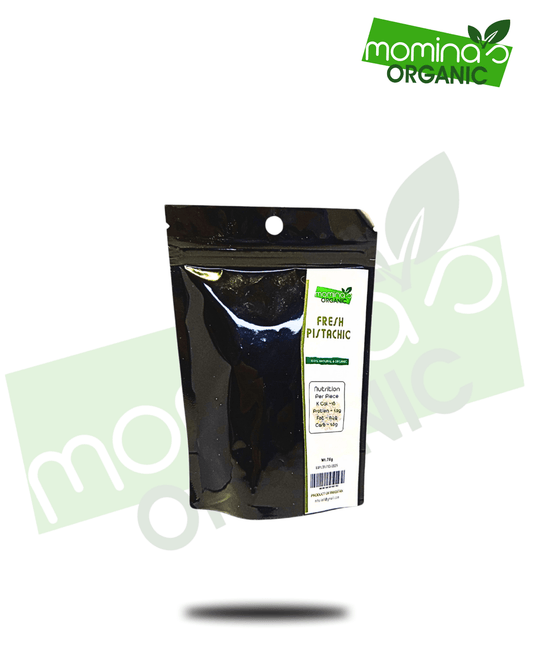
Fresh Pistachio
Regular price Rs.850.00 PKRRegular price -
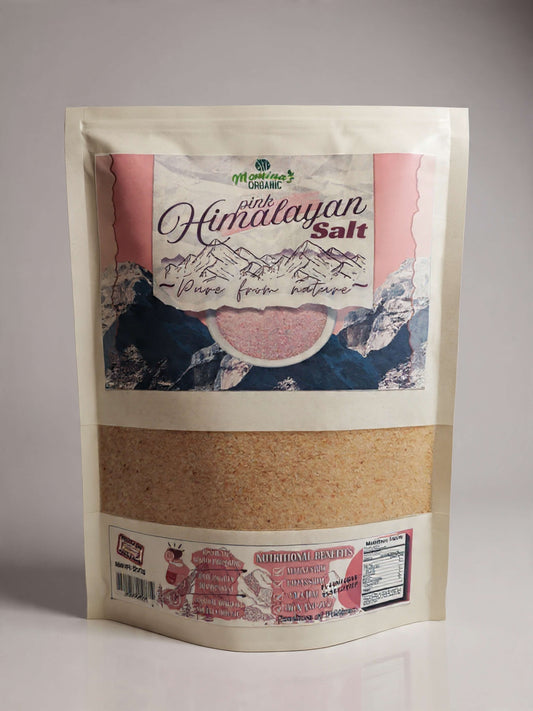
Momina's Organic Pink Himalayan Salt — Pure Mountain Salt
Regular price Rs.249.00 PKRRegular priceUnit price Rs.498.00/kg -
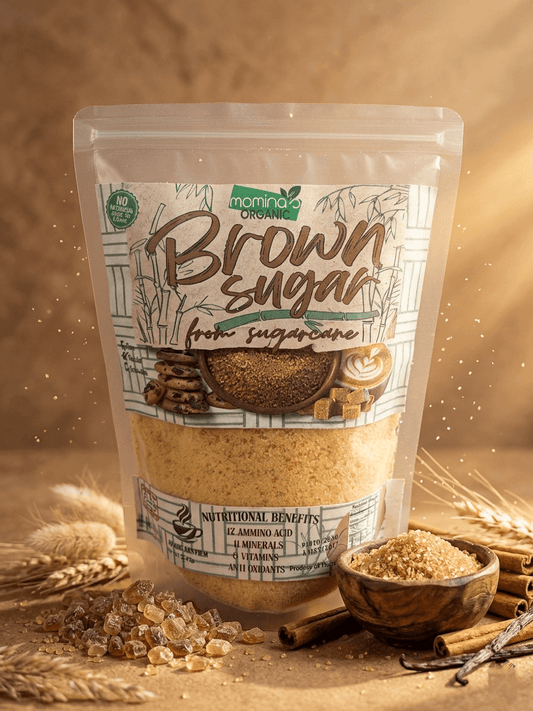
Organic Brown Sugar (Shakkar) – Unrefined & Chemical-Free
Regular price Rs.260.00 PKRRegular priceUnit price Rs.520.00/kg -
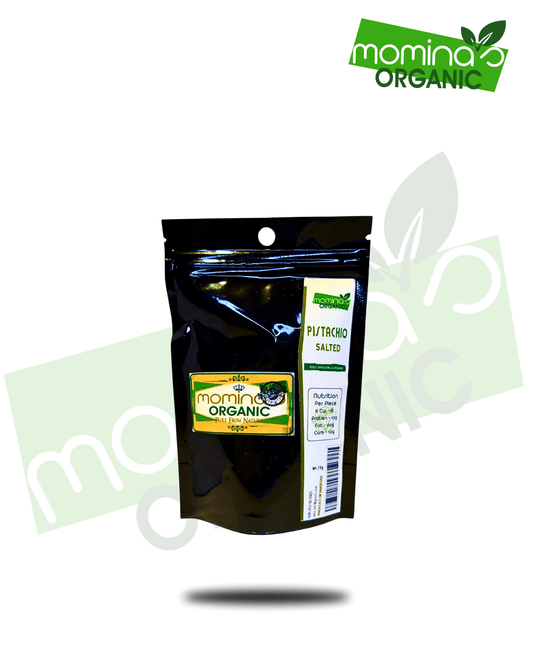
Salted Pistachio
Regular price Rs.699.00 PKRRegular price -
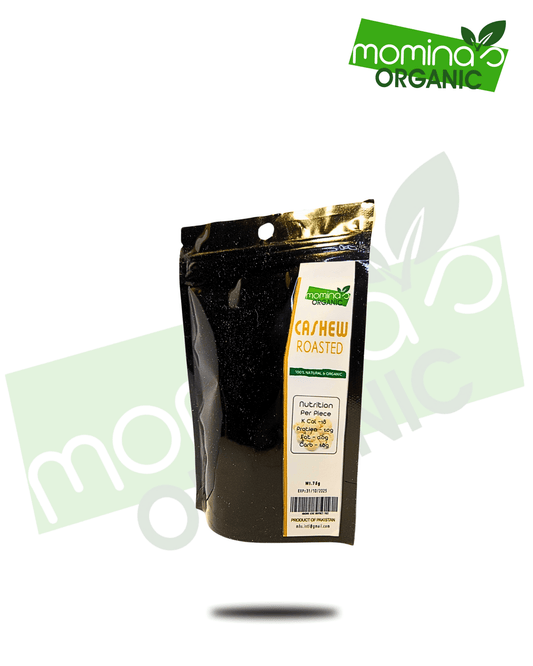
Cashew Roasted
Regular price Rs.699.00 PKRRegular price -
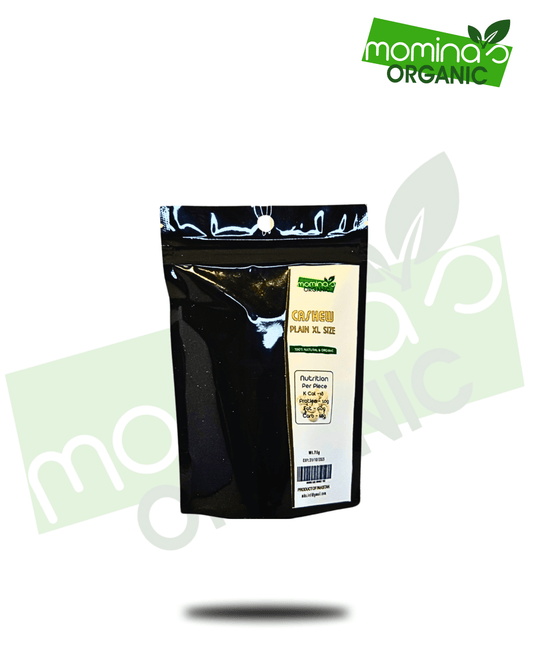
Cashew Plain XL Size
Regular price Rs.699.00 PKRRegular price -
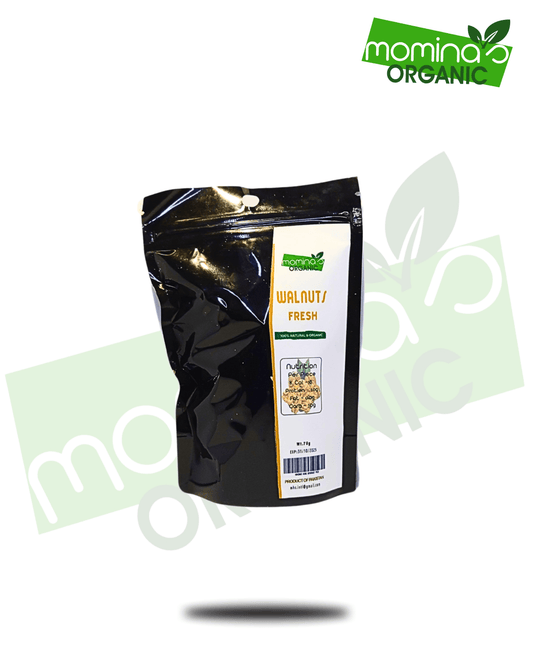
Fresh Walnuts
Regular price Rs.499.00 PKRRegular price -
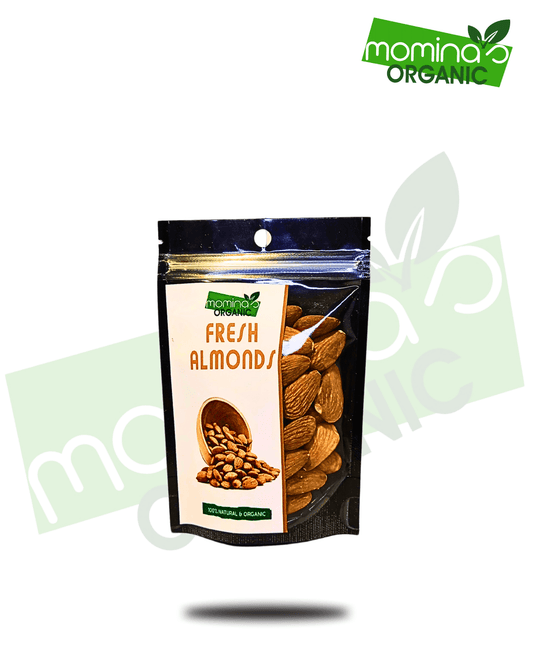
Fresh Almonds
Regular price Rs.699.00 PKRRegular price -

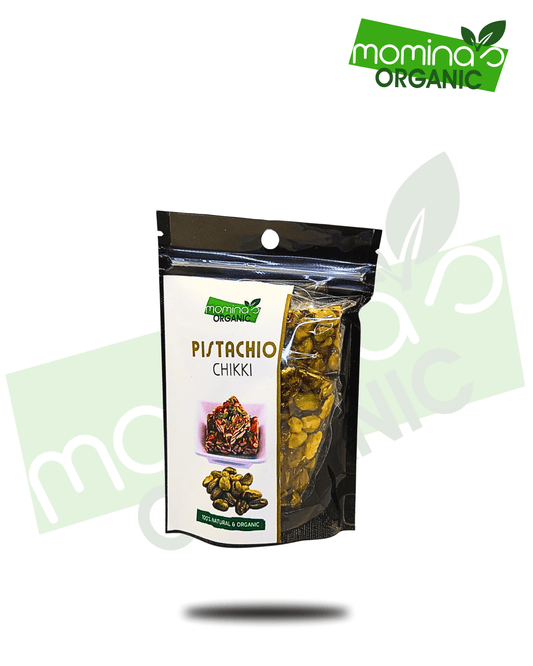 Sold out
 -

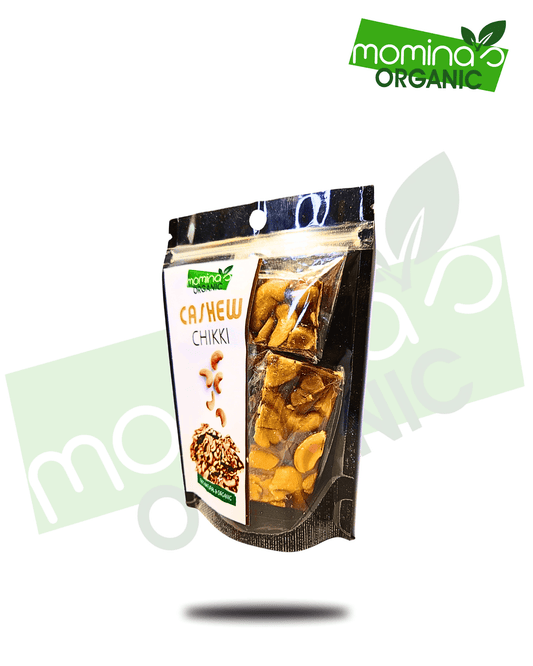 Sold out
 -

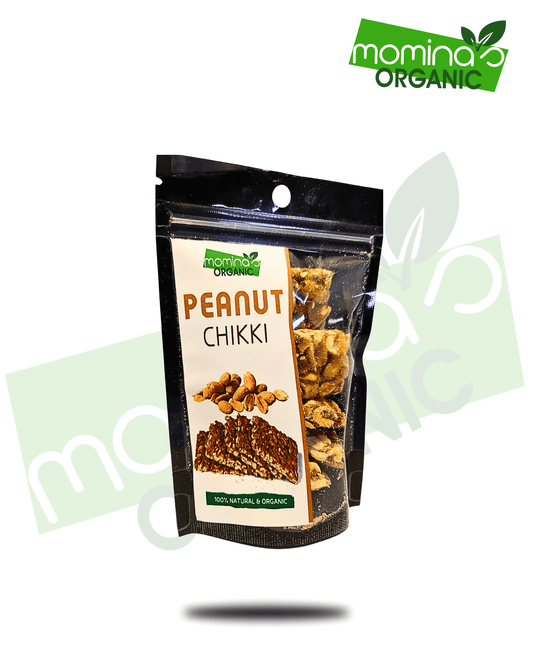 Sold out
 -

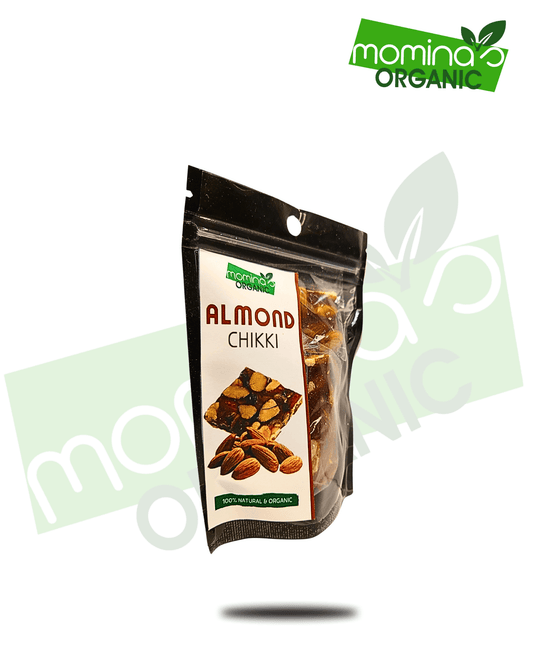 Sold out
 -
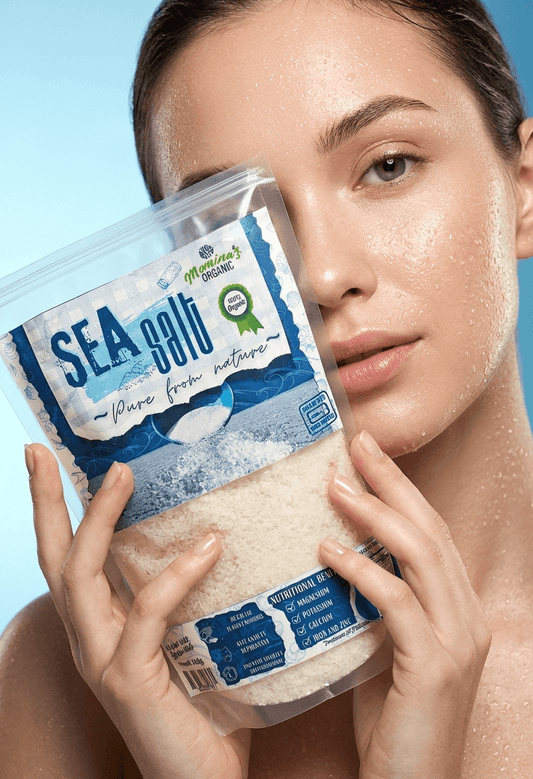
Organic Sea Salt (Samundri Namak) — Pure & Naturally Harvested
Regular price Rs.170.00 PKRRegular price -
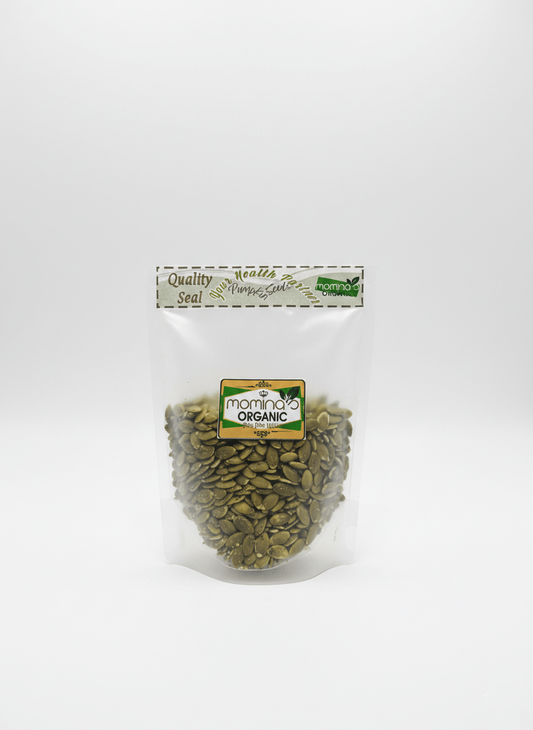
Organic Pumpkin Seeds (Kaddu ke Beej) — Raw & Mineral-Rich Superfood
Regular price Rs.899.00 PKRRegular price -
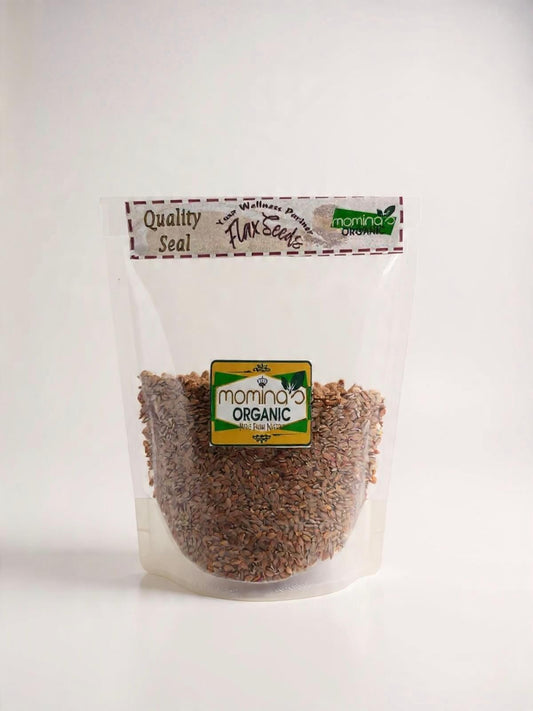
Organic Flaxseeds (Alsi) — Raw & Nutrient-Rich Superfood
Regular price Rs.549.00 PKRRegular price -
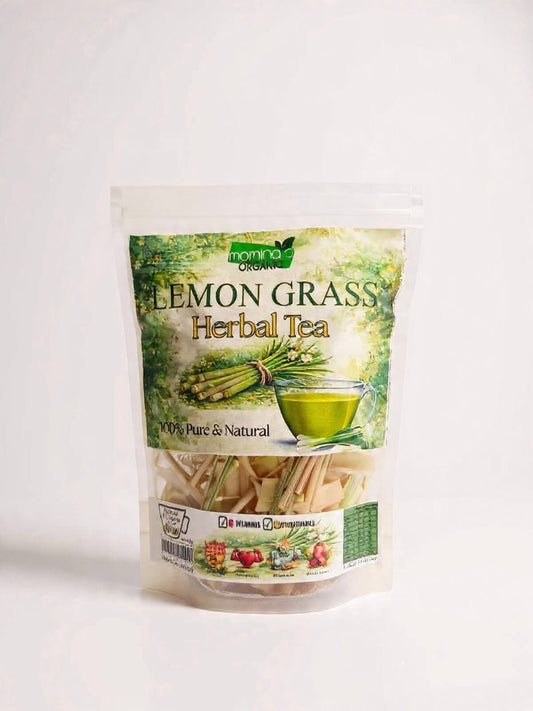
Organic Lemongrass Herbal Tea — Natural Detox & Wellness Blend
Regular price Rs.599.00 PKRRegular price -
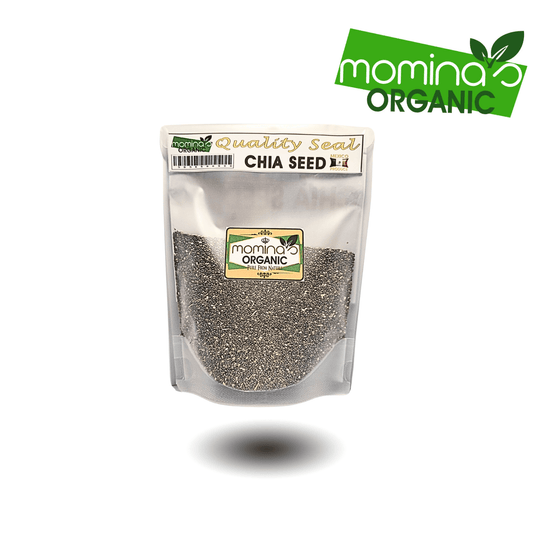
Organic Chia Seeds (Tukhm-e-Sharbati) — Raw & Unprocessed Superfood
Regular price Rs.749.00 PKRRegular price -
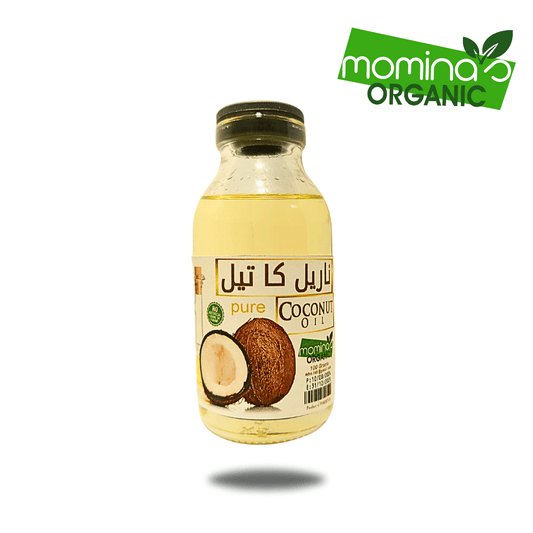
Momina's Organic Coconut Oil — 100ml
Regular price Rs.399.00 PKRRegular price -
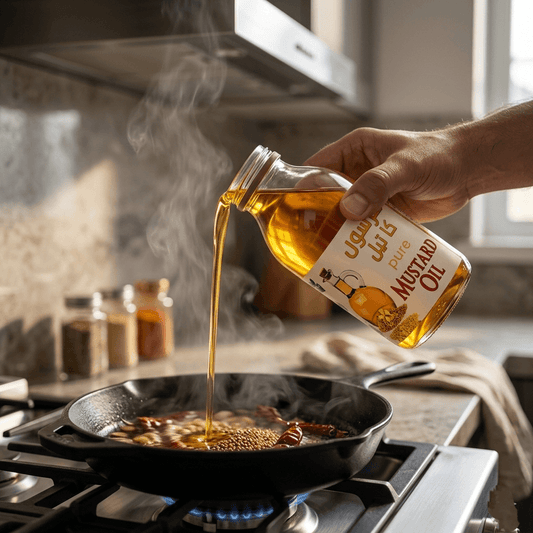
Momina's Organic Mustard Oil — 100ml
Regular price Rs.350.00 PKRRegular price -
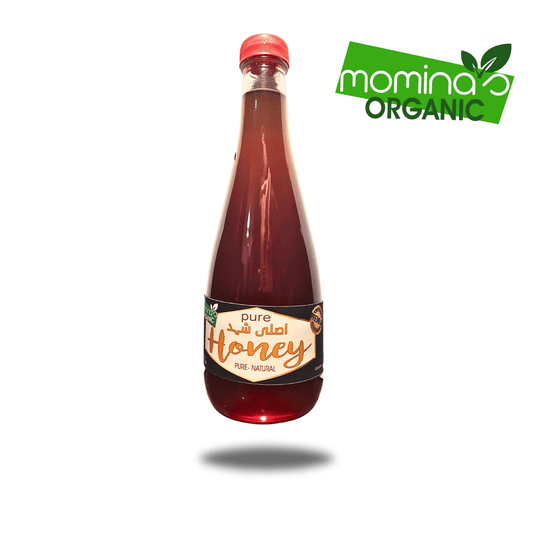
Momina's Organic Pure Honey
Regular price From Rs.449.00 PKRRegular price

















Organic Oils FAQs
Momina's Organic offers three premium cold-pressed oils — Coconut Oil, Mustard Oil (Sarson ka Tel), and Olive Oil (Zaitoon ka Tel). All three are extracted without heat or chemical solvents, preserving their full nutritional profile, natural aroma, and authentic flavour. Each oil serves a distinct purpose — mustard oil for traditional Pakistani cooking, olive oil for finishing and light cooking, and coconut oil for baking and medium-heat use.
All three are cold-pressed and additive-free but serve fundamentally different purposes in cooking and wellness. Using all three strategically gives you the broadest health and culinary benefit.
Research published in the Journal of Food Science suggests that cold-pressed oils retain significantly higher levels of polyphenols, vitamin E, and natural antioxidants compared to refined oils. The refining process typically uses hexane — a chemical solvent — to extract maximum oil yield, followed by deodorising, bleaching, and high-heat treatment to make the oil shelf-stable and neutral in flavour. This process removes most of the oil's natural nutritional value. Cold-pressed oils are extracted purely through mechanical pressure — no heat above 49°C, no chemicals, no bleaching — preserving their full nutritional and flavour profile.
Bottom line: Cold-pressed means full nutrition, authentic flavour, and zero chemical processing — refined oil trades nutrition for longer shelf life and higher yield.
Olive oil is well suited for low to medium heat cooking, finishing, and dressings. According to USDA FoodData Central, extra virgin olive oil contains approximately 73% oleic acid — a monounsaturated fatty acid extensively studied for its cardiovascular benefits. Research published in the New England Journal of Medicine found that a Mediterranean diet supplemented with extra virgin olive oil was associated with a significantly reduced risk of major cardiovascular events. For Pakistani cooking, olive oil works best as a finishing oil drizzled over salads, hummus, grilled dishes, or flatbreads — rather than for high-heat tarka where mustard oil is more appropriate.
Bottom line: Olive oil is one of the most research-backed oils for heart health — use it for finishing and light cooking, not high-heat Pakistani cooking.
Yes — olive oil is known as Zaitoon ka Tel (زیتون کا تیل) in Pakistan. Zaitoon — the olive — holds deep significance in Islamic tradition and is mentioned multiple times in the Quran, which has contributed to its growing popularity across Pakistani households as both a cooking oil and a health supplement. Research into its nutritional profile aligns strongly with its traditional reputation — extra virgin olive oil contains over 30 different phenolic compounds with antioxidant and anti-inflammatory properties. Its growing availability in Pakistan has made it increasingly accessible as both a culinary and wellness product.
Bottom line: Zaitoon ka Tel is culturally significant, Islamically referenced, and scientifically well-supported — one of the most respected oils globally and increasingly popular in Pakistan.
Research consistently identifies olive oil as the most heart-beneficial cooking oil due to its high oleic acid content and polyphenol profile. A landmark study published in the New England Journal of Medicine involving over 7,000 participants found that regular extra virgin olive oil consumption was associated with a 30% reduction in major cardiovascular events. Mustard oil follows as the second most heart-friendly option among Pakistani cooking oils — its high monounsaturated fat content and natural anti-inflammatory compounds support cardiovascular health. Coconut oil, while nutritionally unique, is high in saturated fat and the American Heart Association recommends consuming it in moderation.
Bottom line: Olive oil for maximum heart benefit, mustard oil as the best traditional Pakistani heart-friendly cooking oil, coconut oil in moderation.
Research suggests that the type of fat matters more than the quantity when it comes to oils and weight management. Coconut oil's medium-chain triglycerides (MCTs) are metabolised differently from long-chain fats — some studies suggest MCTs may support increased energy expenditure and reduced appetite. Olive oil's oleic acid has been associated with increased feelings of fullness in research published in the journal Cell Metabolism. Mustard oil's favourable omega-6 to omega-3 ratio supports metabolic health. All three oils are calorie-dense at approximately 120 calories per tablespoon — the key is choosing quality cold-pressed oils and using them in measured amounts rather than eliminating them entirely.
Bottom line: All three oils can support a healthy weight when used in moderation — focus on quality cold-pressed oils and controlled portions rather than avoidance.
Yes — cold-pressed mustard oil is completely safe for consumption in Pakistan and has been a dietary staple across Pakistan, India, and Bangladesh for centuries. It is approved for cooking use throughout South Asia. Some Western markets such as the United States and European Union classify mustard oil differently due to its erucic acid content, but research published in the Indian Journal of Medical Research suggests that traditional mustard oil consumption in South Asian dietary contexts is not associated with the health concerns cited in those markets. Pakistani and South Asian populations have consumed Sarson ka Tel safely as a primary cooking oil for generations.
Each oil serves a different skincare purpose. Coconut oil is the most effective deep moisturiser — research published in the International Journal of Dermatology confirmed it performs comparably to mineral oil for skin hydration while offering additional antibacterial benefits. Olive oil is rich in squalene and vitamin E, making it particularly nourishing for dry and mature skin — it is a traditional skincare ingredient across the Mediterranean and Middle East. Mustard oil is the traditional Pakistani choice for body massage, scalp treatment, and winter skin care due to its warming properties and natural vitamin E content. All three are additive-free and safe for topical use.
Research published in the Journal of Cosmetic Science found that coconut oil penetrates the hair shaft more effectively than both mineral oil and sunflower oil, significantly reducing protein loss in damaged and undamaged hair. Mustard oil — traditionally used across Pakistan and South Asia for champi (head massage) — stimulates scalp circulation and is believed to support hair growth due to its warming properties and selenium content. Olive oil conditions the hair shaft, reduces frizz, and adds shine. For deep conditioning, coconut oil is the strongest choice. For scalp health and traditional Pakistani hair care, mustard oil remains the most culturally embedded and practically effective option.
Research suggests that olive oil and mustard oil are particularly beneficial for people managing diabetes. According to the American Diabetes Association, replacing saturated fats with monounsaturated fats — abundant in both olive and mustard oil — may improve insulin sensitivity. A study published in Diabetes Care found that a Mediterranean diet rich in olive oil was associated with improved glycemic control. Coconut oil is higher in saturated fat and should be used more cautiously. All three oils are carbohydrate-free and do not directly raise blood sugar — the consideration is their fat type and caloric density rather than glycemic impact.
Bottom line: Olive and mustard oil are the most diabetes-friendly choices due to their high monounsaturated fat content — coconut oil in moderation.
Cold-pressed oils are more sensitive to oxidation than refined oils because they retain their natural antioxidants and unsaturated fatty acids. Store in a dark glass bottle or opaque container away from direct sunlight, heat, and moisture. Keep away from the stove during cooking to prevent heat exposure between uses. Mustard oil has a shelf life of approximately 12 months when stored correctly. Coconut and olive oil are more stable and last 18–24 months. Refrigeration is not necessary but extends freshness in Pakistan's warm climate — coconut oil will solidify in the refrigerator, which is completely normal.
Bottom line: Dark container, cool and dry place, away from heat and sunlight — cold-pressed oils store well for 12–24 months depending on variety.
Look for oils clearly labelled cold-pressed, chemical solvent-free, and unrefined. Avoid products listing added preservatives, artificial flavouring, deodorising agents, or mixed vegetable oil blends. Momina's Organic offers 100% cold-pressed Coconut Oil, Mustard Oil, and Olive Oil — all extracted without heat or chemicals and packaged to preserve their natural freshness and nutritional value. Available online with delivery across Pakistan.
Bottom line: Buy cold-pressed, solvent-free, and additive-free oils from transparent brands — and confirm the extraction method is clearly stated on the label.
100% cold-pressed extraction. No chemical solvents. No heat processing. No deodorising agents. No artificial additives or preservatives. Natural colour, authentic aroma, and full nutritional profile preserved from press to bottle. Three oils — Coconut, Mustard, and Olive — covering every cooking, wellness, skin, and hair care need your household has.
Yes — with the right approach. Olive oil works well for light sautéing, bhunai at low to medium temperatures, and as a finishing drizzle over dals, chawal, or grilled dishes. Its smoke point of approximately 190°C means it handles gentle cooking comfortably but is not suited for high-heat tarka or deep frying where mustard oil is the better choice. Many health-conscious Pakistani households now use olive oil for egg dishes, vegetable stir-fries, and pasta while keeping mustard oil for traditional curries and pickles. The two oils complement each other well in a Pakistani kitchen — each used where it performs best.
Bottom line: Yes — olive oil works well for light Pakistani cooking and finishing, but keep mustard oil for high-heat tarka and traditional curries.