
-
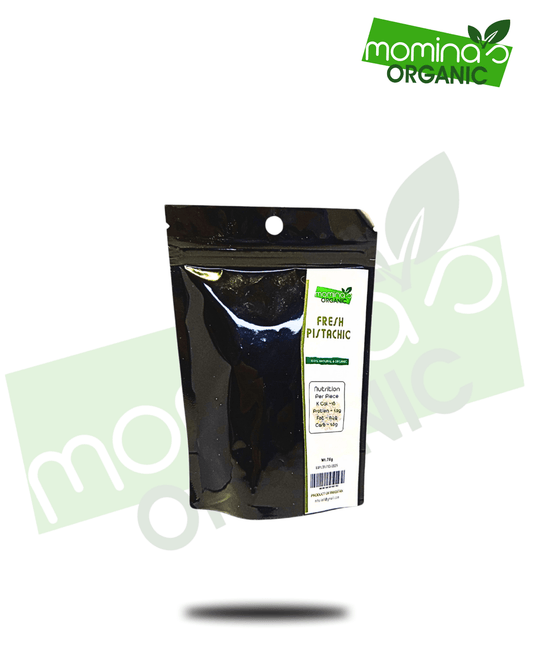
Fresh Pistachio
Regular price Rs.850.00 PKRRegular price -
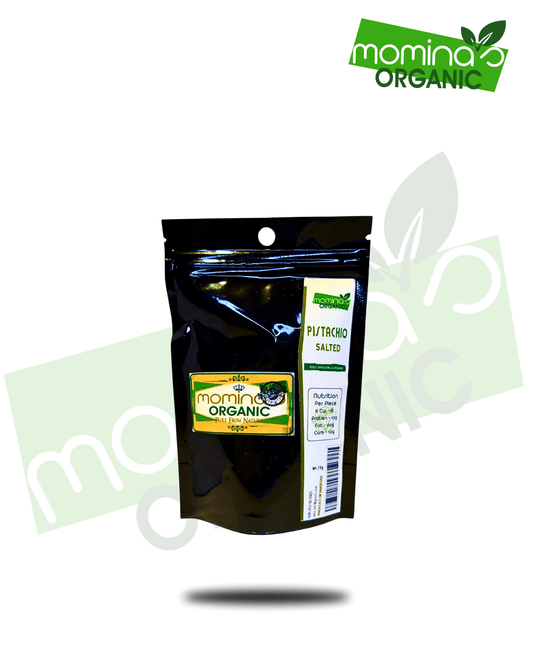
Salted Pistachio
Regular price Rs.699.00 PKRRegular price -
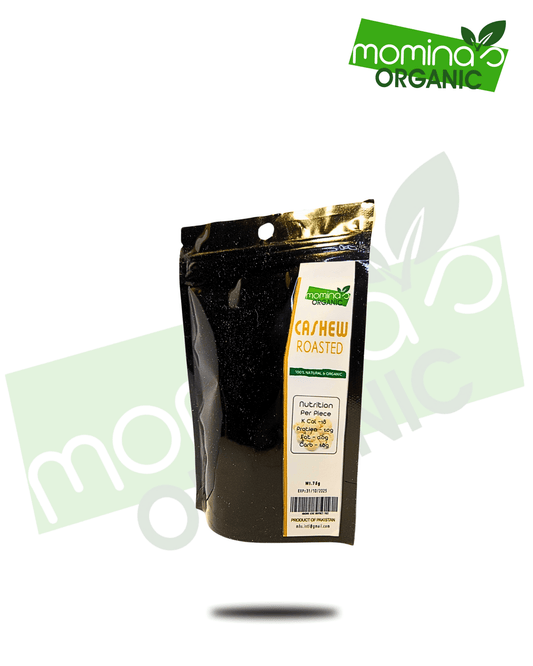
Cashew Roasted
Regular price Rs.699.00 PKRRegular price -
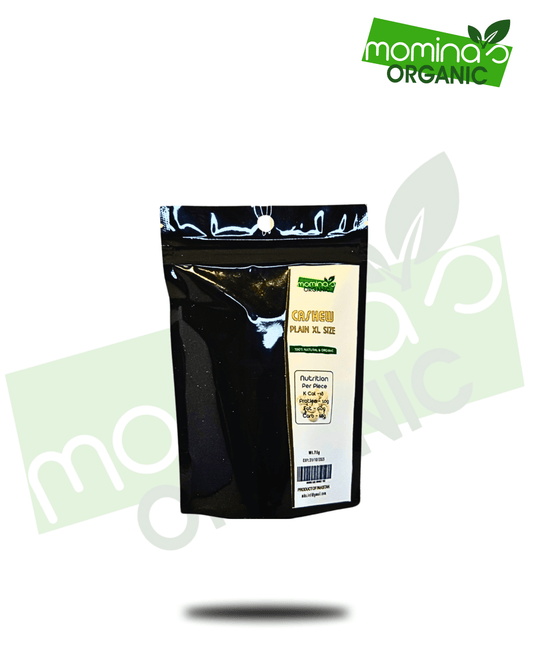
Cashew Plain XL Size
Regular price Rs.699.00 PKRRegular price -
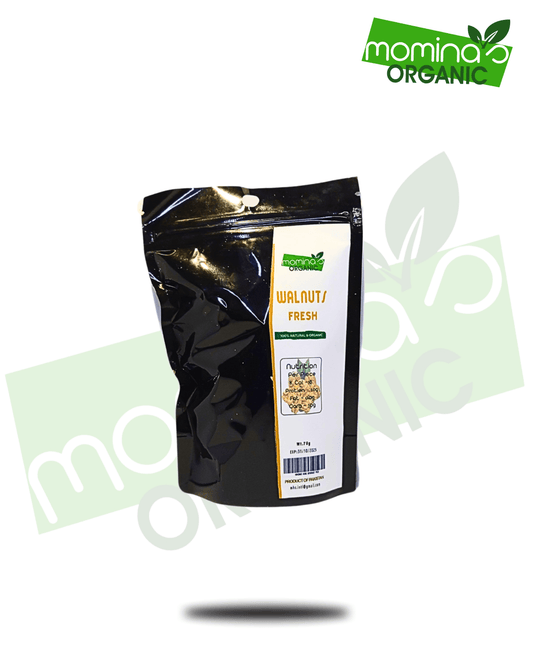
Fresh Walnuts
Regular price Rs.499.00 PKRRegular price -
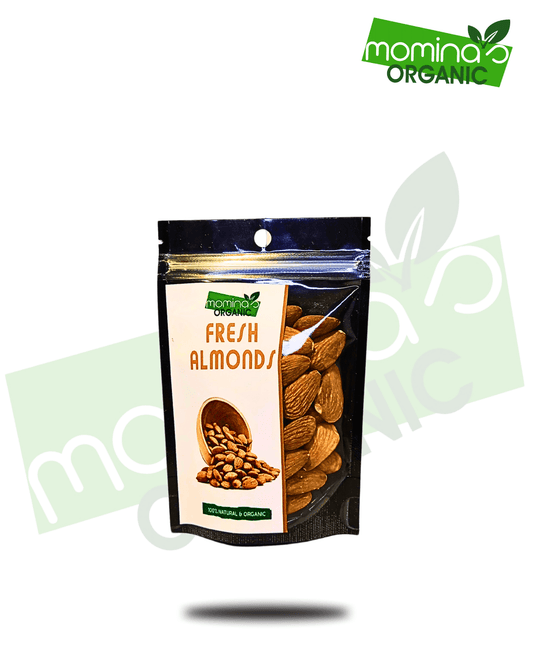
Fresh Almonds
Regular price Rs.699.00 PKRRegular price -

 Sold out
 -

 Sold out
 -

 Sold out
 -

 Sold out








Organic Dry Fruits & Nuts FAQs — Almonds, Walnuts, Cashews, Pistachios & Chikki in Pakistan
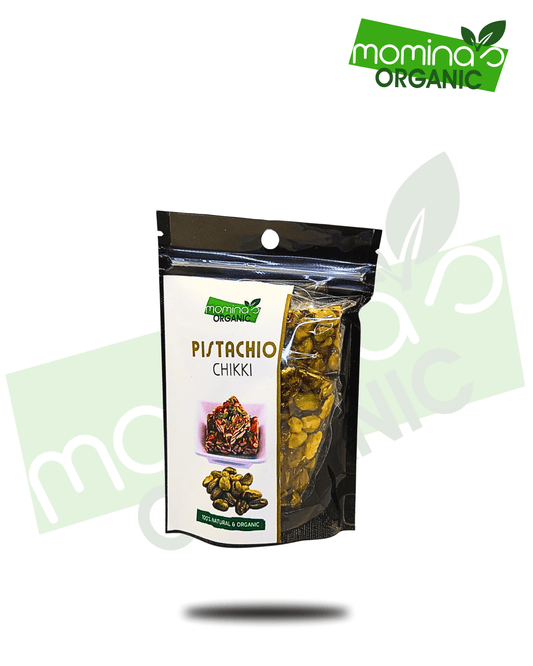
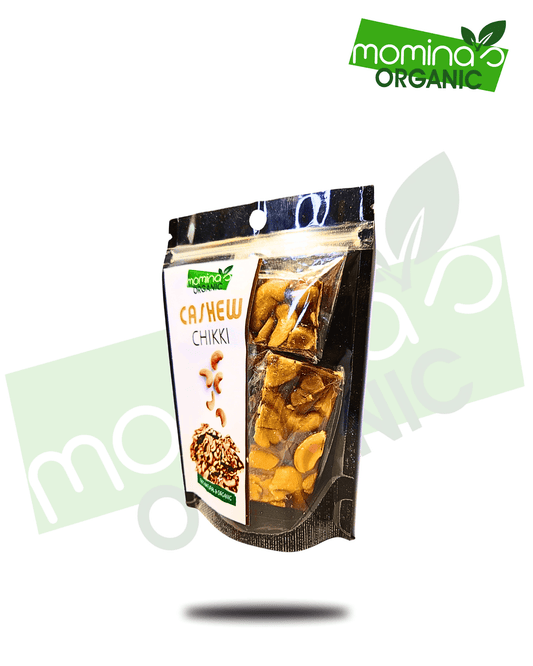
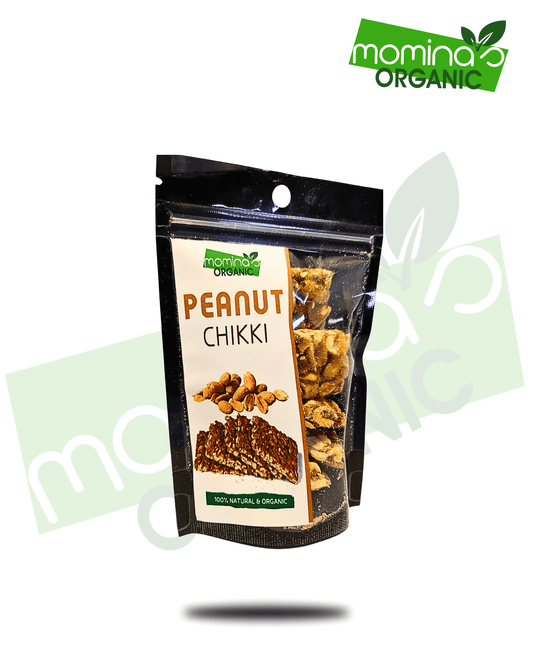
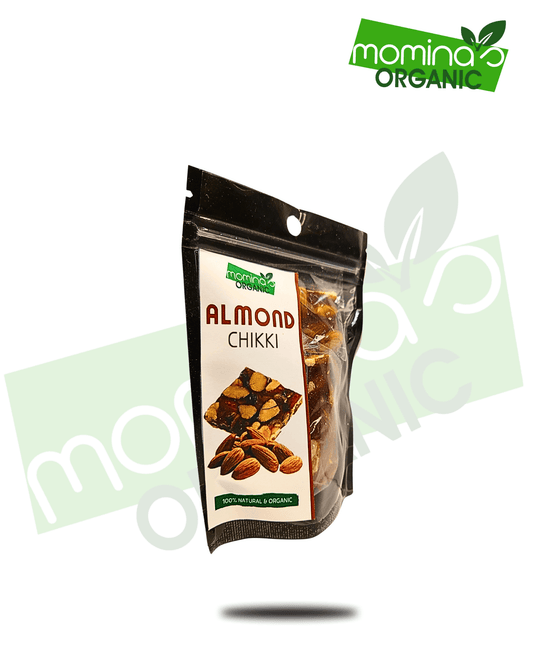
Momina's Organic offers a premium range of organic dry fruits and nuts including Fresh Almonds (Badam), Fresh Walnuts (Akhrot), Cashews — both roasted and plain XL — and Pistachios (Pista) in salted and fresh varieties. We also offer Chikki — a traditional Pakistani and South Asian brittle made by combining nuts with jaggery or sugar — available in Almond, Cashew, Peanut, and Pistachio varieties. All products are free from sulphur dioxide, artificial colours, and chemical preservatives.
Bottom line: A complete range of premium nuts plus traditional Chikki — all natural, all additive-free.
No sulphur dioxide. No artificial colours. No added preservatives. Roasted varieties dry-roasted without added oils. Chikki made with natural jaggery or sugar — no artificial sweeteners. Sourced from trusted farms and suppliers. Premium quality at every size — from everyday snacking to traditional Pakistani desserts.
Chikki is a traditional South Asian brittle made by combining nuts or seeds with jaggery (gur) or sugar, set into a hard, crunchy bar. Momina's Organic Chikki is made with Almonds, Cashews, Peanuts, and Pistachios. Compared to commercial chocolate bars and processed snacks, Chikki offers the nutritional benefits of nuts — protein, healthy fats, and minerals — combined with natural sweeteners rather than refined sugar and artificial additives. However, Chikki is still calorie-dense due to its sugar or jaggery content, so it should be enjoyed in moderation as an occasional treat rather than a daily snack.
Bottom line: Chikki is a better-for-you alternative to processed sweets — nutrient-rich nuts plus natural sweetener — but still a treat, not a daily health food.
According to USDA FoodData Central, a 28g serving of almonds provides approximately 6g of protein, 14g of healthy fats, and 37% of the daily recommended intake of vitamin E. Research published in the Journal of Nutrition suggests that regular almond consumption is associated with improved cholesterol profiles and reduced markers of inflammation. In Pakistani households, soaking almonds overnight and consuming them in the morning is a traditional practice believed to enhance digestibility — research suggests soaking may reduce phytic acid content, which can improve mineral absorption.
Dry roasting at moderate temperatures causes minimal nutrient loss and can enhance flavour and digestibility for some nuts. However, research suggests that roasting at high temperatures for extended periods can reduce certain heat-sensitive nutrients such as some B vitamins and may form compounds associated with oxidative stress if the nuts are over-roasted. Momina's Organic Roasted Cashews are dry-roasted without added oils, preserving most of their nutritional value while enhancing their natural flavour. For maximum nutrient retention, raw or lightly roasted nuts are preferable to deep-fried or heavily processed varieties.
Bottom line: Lightly dry-roasted nuts retain most of their nutritional value — avoid deep-fried or heavily processed varieties for maximum benefit.
Walnuts are unique among tree nuts for their high concentration of alpha-linolenic acid (ALA) — a plant-based omega-3 fatty acid. According to a study published in the American Journal of Clinical Nutrition, walnut consumption has been associated with improved cognitive function in ageing populations. A 28g serving provides approximately 2.5g of ALA, which the body partially converts to the same omega-3 fatty acids found in fish oil. Walnuts also contain polyphenols and antioxidants that research suggests may support brain health, though more studies in human populations are needed to confirm long-term cognitive benefits.
According to USDA FoodData Central, a 28g serving of cashews provides approximately 5.2g of protein along with significant amounts of copper, magnesium, and zinc — minerals important for energy metabolism, bone health, and immune function. Research suggests that cashews have a lower fat content than most other tree nuts while still providing a good source of monounsaturated fats. In Pakistani cuisine, cashews are commonly used in kheer, biryani garnishes, and blended into creamy sauces for curries — both as a flavour enhancer and nutritional addition.
Pistachios have one of the highest protein-to-calorie ratios among tree nuts, with approximately 5.7g of protein per 28g serving according to USDA FoodData Central. Research published in the Journal of Nutrition found that pistachios are particularly rich in lutein and zeaxanthin — antioxidants that accumulate in the retina and are associated with eye health. Pistachios also have a relatively low glycemic index, and some studies suggest they may help moderate post-meal blood sugar spikes when eaten alongside carbohydrate-rich foods.
Plain, unsalted pistachios are the better everyday choice, particularly for anyone monitoring sodium intake. The World Health Organization recommends consuming less than 5g of salt per day, and salted nuts can contribute meaningfully to daily sodium intake if eaten in large quantities. Momina's Organic Salted Pistachio uses natural salt without artificial flavour enhancers, making it a cleaner option than commercially flavoured varieties, but plain pistachios remain the healthier default for daily consumption. Salted varieties are best enjoyed occasionally rather than as a daily snack.
Bottom line: Plain pistachios are better for daily use — salted varieties are a clean occasional treat, not an everyday snack.
Nutritional guidelines generally recommend a small handful — approximately 28 to 30 grams — of mixed nuts per day for healthy adults. A study published in the New England Journal of Medicine following over 100,000 participants found that regular nut consumption, even in small daily amounts, was associated with reduced risk of cardiovascular disease and overall mortality. Because nuts are calorie-dense, portion control matters — a small handful provides meaningful health benefits without excessive calorie intake.
Bottom line: A small handful (around 28-30g) of mixed nuts daily is associated with meaningful long-term health benefits.
Research suggests that despite being calorie-dense, nuts can support weight management when consumed in controlled portions. Their combination of protein, healthy fats, and fibre promotes satiety, which may reduce overall calorie intake throughout the day. A review published in the journal Obesity Reviews found that nut consumption was not associated with weight gain despite their calorie density, likely because they increase feelings of fullness and may not be fully absorbed due to their cell wall structure. Chikki, due to its sugar or jaggery content, should be treated as an occasional treat rather than a weight-loss food.
Bottom line: Nuts in moderate portions support weight management through satiety — Chikki is an occasional treat, not a weight-loss snack.
Research suggests that nuts are generally a good choice for diabetics due to their low carbohydrate content, healthy fat profile, and minimal impact on blood sugar. According to the American Diabetes Association, nuts can be part of a diabetes-friendly diet when eaten in moderation as part of balanced meals. However, Chikki contains added sugar or jaggery and should be consumed with caution and in small amounts by diabetics. Dried fruits with natural sugars should also be limited. Plain nuts — almonds, walnuts, cashews, and pistachios — are the safest choices for blood sugar management.
Bottom line: Plain nuts are diabetes-friendly in moderation — Chikki and sweetened products should be limited due to added sugar content.
Nuts contain natural oils that can turn rancid when exposed to heat, light, and air. Store in an airtight container in a cool, dry place away from direct sunlight. For longer shelf life — particularly in Pakistan's warm climate — refrigeration or freezing is recommended, especially for walnuts which have a higher polyunsaturated fat content and are more prone to oxidation. Properly stored nuts typically last 6 to 12 months at room temperature and significantly longer when refrigerated. Chikki should be stored in an airtight container away from humidity to maintain its crisp texture.
Bottom line: Airtight, cool, and dry — refrigerate for longer shelf life, especially for walnuts. Chikki needs protection from humidity to stay crisp.
Research suggests that the vitamin E and healthy fats in almonds and walnuts support skin hydration and may help protect against oxidative damage from environmental exposure. A study published in the Journal of Clinical and Aesthetic Dermatology found that vitamin E supplementation was associated with improved skin barrier function. For hair, the biotin, zinc, and omega-3 content in nuts — particularly walnuts and cashews — are nutrients commonly associated with hair strength and growth in nutritional research, though topical application of nut oils rather than dietary consumption is more commonly studied for direct hair benefits.
Bottom line: Regular nut consumption supports skin health through vitamin E and healthy fats — particularly almonds and walnuts.
Look for products labelled free from sulphur dioxide, artificial colours, and added preservatives — sulphur dioxide is commonly used to preserve the bright appearance of dried fruits and nuts but can trigger reactions in sensitive individuals. Momina's Organic offers Almonds, Walnuts, Cashews, and Pistachios sourced from trusted farms, along with traditional Chikki made without artificial additives. Available online with delivery across Pakistan.
Bottom line: Buy nuts free from sulphur dioxide and artificial preservatives from transparent sources — and check the ingredient list on Chikki for added colours or flavours.